Purcell is not a legal principle. It’s a double standard
At the heart of these cases is the Purcell principle — the idea that courts should avoid changing voting or election rules too close to an election.

Read in-depth op-eds on voting rights and democracy from our contributors, guest authors and Democracy Docket's founder, Marc Elias. Use the drop-down menu to organize by topic.
At the heart of these cases is the Purcell principle — the idea that courts should avoid changing voting or election rules too close to an election.
It’s the latest example of Republican legislators taking aim at judges whose rulings they don’t like.

Republicans in the Utah Legislature are at war with the state Supreme Court over a constitutional ban on gerrymandering.

While conservatives are concerned with protecting the Second Amendment, my concern lies with the right to vote being treated as an afterthought.

The GOP’s attacks are highlighting the importance of state courts as perhaps the last line of defense for protecting fair elections.

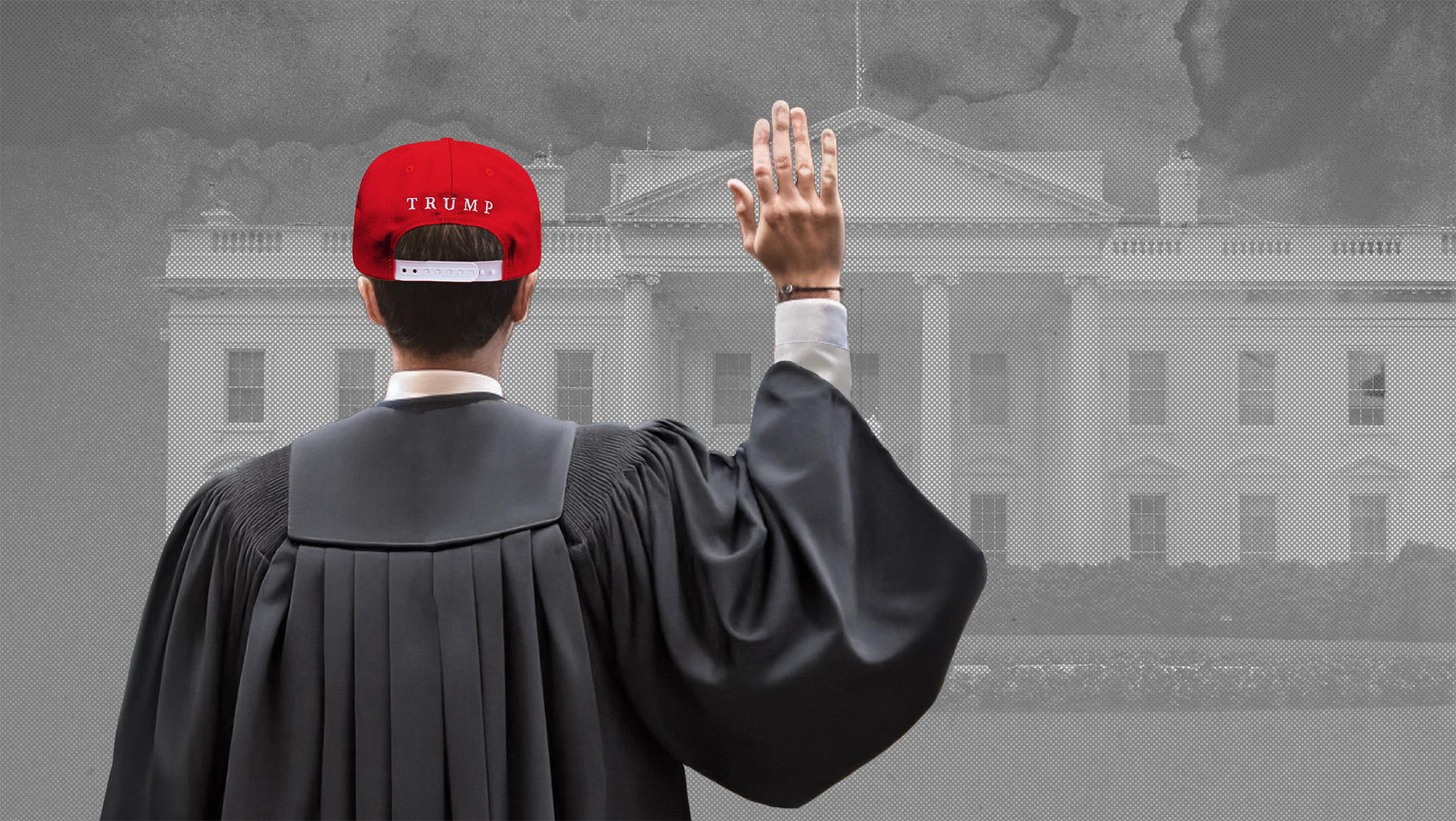
With all the chaos coming from the Trump administration, it’s important to remember that it also continues to advance judicial nominees — judges who will serve for the rest of their lives, long after Trump is no longer president.
With the “shadow docket” full of appeals from the Trump administration, the term hardly feels over.
In decision after decision, it became clear that the Republican justices have gerrymandered the law to generate a bunch of legal rules that fit pretty neatly into the Republican Party’s preferences.
This squabble may seem like the kind of political theatre we’re used to from Trump, but coupled with other actions by his administration, it signals a new level of intentional attack on the rule of law.
Justice Roberts’ determination that he will leave policy involving queer people to the “democratic process” is nothing more than a mirage.
Page 1 of 5